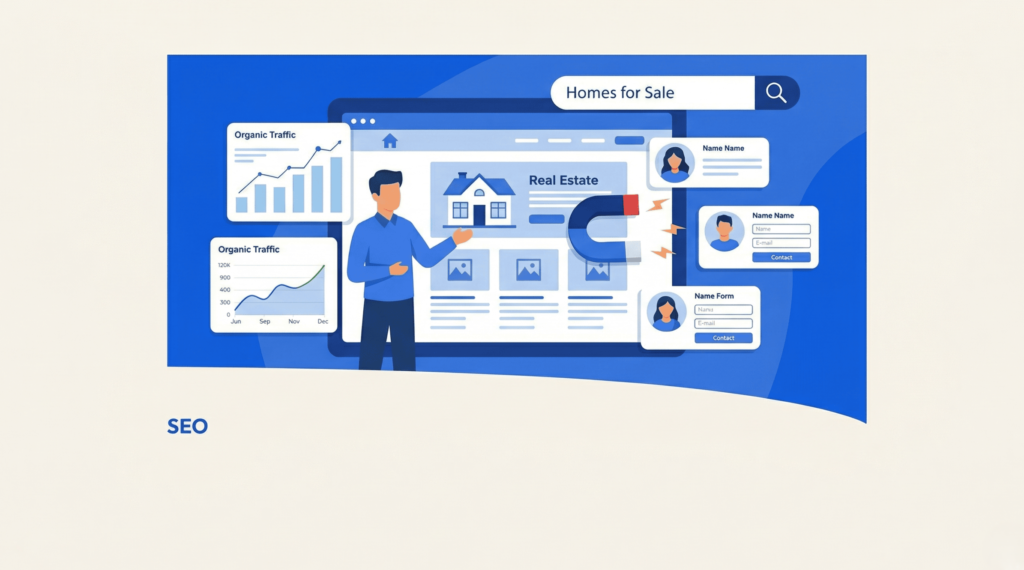
You’re dialing your 40th number today. Someone picks up, immediately annoyed. You stumble through your script. They hang up. You do it again.
This is not a lead generation strategy. This is punishment.
Cold calling has one of the worst conversion rates in any industry — and in real estate, where trust is everything, interrupting a stranger during dinner is arguably the worst first impression you can make. You’re not building a business. You’re burning hours for pennies.
There’s a better system. It’s not new. It’s not magic. But most agents ignore it because it requires patience — and that’s exactly why the ones who do it right dominate their markets for years.
This is the Inbound SEO System for real estate. Let’s get into it.
Why Cold Calling Is a Structural Problem, Not a Skill Problem
Stop blaming your script.
The fundamental issue with cold outreach isn’t execution — it’s architecture. You’re interrupting strangers who didn’t ask for you, have zero context about who you are, and have every reason to distrust you.
Compare that to inbound leads.
Here is the brutal truth: Cold calling is interrupting strangers during dinner. SEO inbound leads are people who already searched ‘best realtor in [City]’ and know your reputation before they even talk to you. The conversion rate is exponentially higher because trust is already established.
When someone finds you organically through Google, they’ve already:
- Identified their own need
- Searched with intent to solve it
- Evaluated your reputation before the first conversation
- Chosen to contact you specifically
That’s not a cold lead. That’s a warm lead walking through your door with their hand out. The work of building trust — which takes dozens of cold calls to approximate — is already done by your content, your reviews, and your Google presence.
The conversion rate differential isn’t marginal. It’s structural.
The Inbound SEO System: What It Actually Is
The Inbound SEO System is not about blogging for the sake of blogging. It’s a deliberate architecture of four interconnected components:
- A Google Business Profile that dominates the Local Map Pack
- Hyper-local content that Zillow can’t replicate
- A website with messaging sharp enough to convert
- A lead magnet that captures emails before they bounce
Each piece feeds the next. Let’s break them down.
Component 1: Your Google Business Profile Is Your Most Underused Asset
Most agents either ignore their Google Business Profile entirely or obsess over the wrong things.
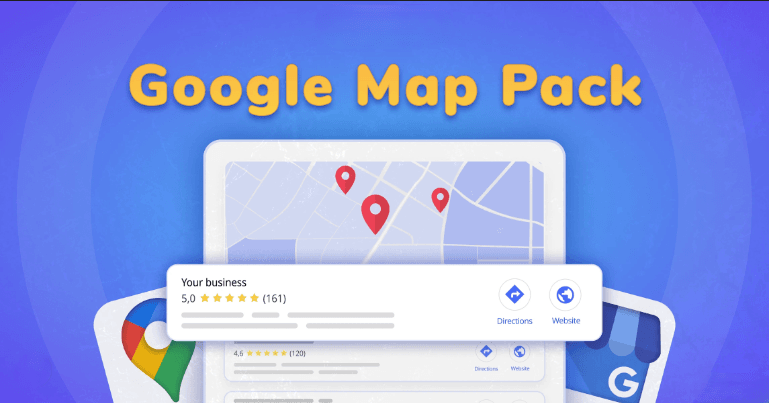
Here’s the truth about GBP optimization that most “SEO gurus” The Local Map Pack: This is the digital real estate you need to own.”won’t tell you:
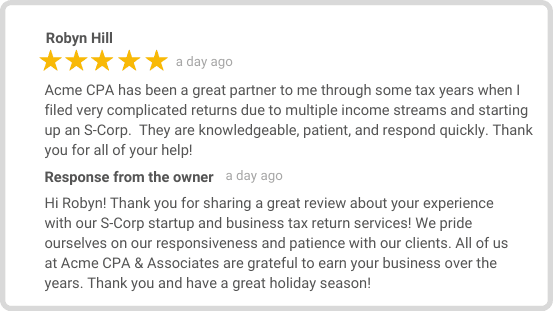
Stop obsessing over geo-tagged photos — Google strips EXIF data anyway. The real game-changer for the Local Map Pack is ‘Keyword-Rich Review Velocity.’ Guide clients to leave reviews mentioning the specific service and city, and as the owner, you must reply using keywords naturally.
That’s the move. Not clever photo tricks. Review velocity with keyword intent baked in.
Here’s how to execute it:
Getting keyword-rich reviews:
- After closing, send clients a personal, specific review request — not a generic “Please leave us a review” template
- Give them a prompt: “Would you mind mentioning what area you bought/sold in and what was most helpful about working with us?”
- A review that reads “Best real estate agent in Austin for first-time buyers — helped us close in 3 weeks” is worth ten generic five-star reviews
Responding to reviews with intent:
Consistent, keyword-rich review velocity signals to Google that you are the authoritative answer to “best real estate agent in [Your City]” — and that’s what gets you into the Local Map Pack, where 44% of clicks go to the top three results.
- Don’t just write “Thank you so much!” and move on
- Respond with natural keyword integration: “Thank you, [Name] — helping families find homes in the East Austin market is exactly what we love doing. Congratulations on your new home!”
- Every response is indexed. Treat it like a micro-content opportunity.
Example Photo
Component 2: Hyper-Local Content That Zillow Will Never Write
Zillow has your listings. They have every agent’s listings. They have more listings, more traffic, and more domain authority than you’ll ever build.
Stop competing with Zillow on their terms.
Here’s what Zillow will never write:
Don’t just list specs. Tell them that the neighborhood is a 20-minute walk to a farmers market every Saturday morning, backs up to 12 miles of hiking trails, and puts you 30 minutes from the beach on a Friday afternoon.
Zillow lists bedrooms and bathrooms. You sell a life.
This is the core of hyper-local SEO — and it’s your single biggest competitive advantage. When someone searches “best neighborhoods for young families in [City]” or “living near [Specific District] pros and cons,” they’re not looking for a listing. They’re looking for someone who knows the area the way a neighbor does.
Hyper-local content that actually ranks and converts:
- Neighborhood lifestyle guides — Not just square footage and school ratings. Write about the coffee shop three blocks from the park, the Saturday morning routine, the community feel. Make the reader smell the neighborhood.
- “[City] vs. [City]” comparison posts — Buyers are always comparing areas. Answer that question definitively and you own that search intent.
- Relocation guides for your specific city — Target people moving from out of state. They need a trusted local expert more than anyone.
- Market update posts with local specificity — “What’s Happening in the [Specific Neighborhood] Real Estate Market This Quarter” — not generic market reports.
- School district deep-dives — One of the top search intents for family buyers. Own it.
The goal is simple: when someone searches anything related to living, buying, or selling in your target area, your name should be the answer Google returns.
Component 3: Your Website’s Messaging Is Probably Broken
Before you spend another dollar on SEO, fix this.
Forget making the ‘Contact Us’ button bigger. If the user lands on the site and doesn’t instantly understand your Unique Value Proposition and the specific area you serve, they will bounce.
Most real estate agent websites commit the same sin: they lead with the agent’s photo, a generic tagline like “Your Trusted Real Estate Partner,” and a search bar that looks like every other site the visitor just left.
The visitor — who arrived from a Google search with high intent — makes a decision in under eight seconds. If your messaging doesn’t immediately answer “Why you, why here, why now?” they’re gone.
Fix your above-the-fold messaging first:
- Be specific about geography. “Austin’s #1 Buyer’s Agent for South Congress and East Austin” beats “Serving the Greater Austin Area” every time.
- Lead with a result, not a credential. “We’ve helped 200+ families relocate to Austin without overpaying” is more powerful than “15 years of experience.”
- Speak to search intent directly. Know why someone landed on your page and reflect that intent back to them immediately.
Your conversion rate lives or dies on this first impression. Getting traffic to a broken-message site is like pouring water into a bucket with holes.
Component 4: The Lead Magnet That Turns Visitors Into Contacts
Here’s the hard truth: most visitors — even the interested ones — won’t call you on the first visit.
That’s normal. But if you have no mechanism to capture their information before they leave, they’re gone forever, and the SEO investment that brought them there is wasted.
The solution is a high-value lead magnet that proves — immediately — that you understand their problem better than the three other sites they just visited.
High-converting lead magnet ideas for real estate:
- “The [City] Neighborhood Guide: Which Area Actually Fits Your Life?” — A detailed, honest PDF breakdown of the top neighborhoods. Deliver real intelligence, not fluff.
- “First-Time Buyer’s Roadmap for [City]: The 9 Steps Nobody Tells You About” — Target one of the highest-intent buyer segments with actionable specificity.
- “[City] Market Report: What Homes Are Actually Selling For in Q[X] [Year]” — Data-driven. Timely. Addresses a real need.
- “The Home Seller’s Pre-Listing Checklist: What We Do Before Every Listing Goes Live” — Targets sellers earlier in the process.
The lead magnet does two things: it captures an email (giving you a follow-up channel that you own, unlike social media) and it immediately demonstrates expertise. Someone who downloads your neighborhood guide is not a cold contact — they’re a self-qualified prospect who just told you exactly what they need.
The ROI Argument: Stop Acting Like a Day-Laborer in Your Own Marketing
This is the part most agents don’t want to hear.
Think about it logically: Cold calling or running ads is like renting a house — the day you stop paying or calling, the leads stop. SEO is digital real estate. Content you rank today will generate free leads for the next 3-5 years while you sleep. Agents tell clients to invest long-term in property, but act like day-laborers in their own marketing.
Read that again.
You counsel clients on the long-term ROI of real estate investment constantly. You explain compound appreciation. You explain the cost of renting versus owning. And then you go back to your desk and run your own marketing like someone who needs to be paid by the hour.
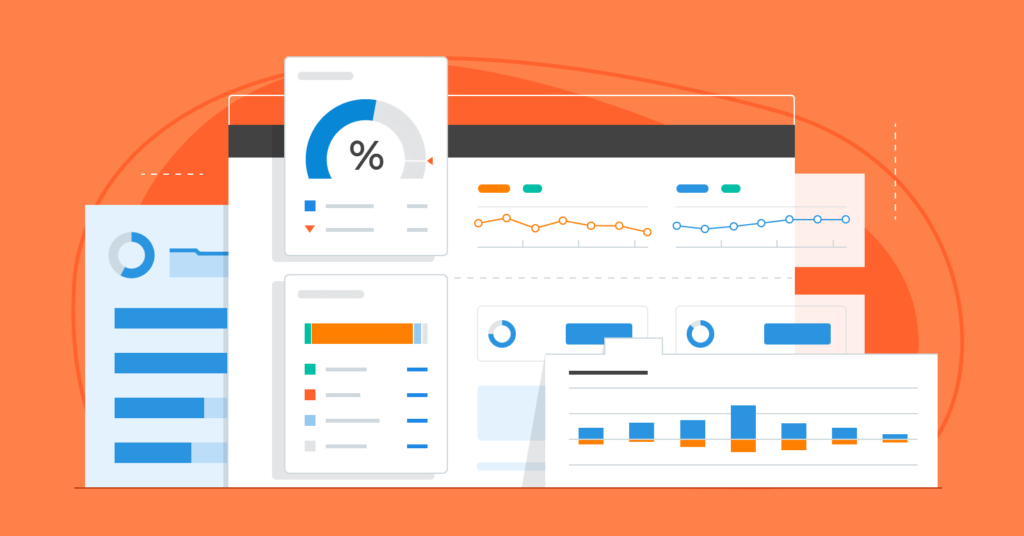
The math is straightforward:
| Channel | Cost Structure | What Happens When You Stop |
|---|---|---|
| Cold Calling | Time-for-output | Leads stop immediately |
| Paid Ads (Google/Meta) | Pay-per-click | Leads stop the moment budget runs out |
| SEO / Content | Front-loaded investment | Content compounds; leads continue for years |
A well-optimized blog post targeting “how to sell a house in [City]” written today can rank, receive traffic, capture leads, and generate closings for three to five years — without another dollar spent on it.
That’s the long-term ROI of SEO. That’s digital real estate.
Your 30-Day Action Plan: Where to Start
You don’t need to do all of this at once. You need to start in the right order.
Week 1: Audit and Fix the Foundation
- Claim and fully optimize your Google Business Profile (categories, services, description with natural keywords)
- Fix your website’s above-the-fold messaging — UVP, geography, and a single clear call to action
- Build or improve your lead magnet offer
Week 2: Start the Review Engine
- Identify your last 10 closed clients and send personal review requests with a natural prompt
- Reply to every existing review with keyword-aware, genuine responses
Week 3: Build Your First Hyper-Local Content Piece
- Pick your highest-value target neighborhood
- Write a 1,500–2,000 word lifestyle guide — not a listing description, a genuine neighborhood story
- Optimize it for a specific long-tail search term (“best neighborhoods for families in [City]”)
Week 4: Measure and Systemize
- Set up Google Analytics and Google Search Console if you haven’t
- Track which pages are generating impressions and clicks
- Build a recurring content calendar — one hyper-local piece per month minimum
The Bottom Line
Cold calling will always exist. Some agents will keep doing it, and a small percentage will always make it work through sheer volume and nerve.
But volume and nerve are exhausting resources. They deplete. And the leads they generate are fragile — built on interruption, not trust.
The Inbound SEO System builds something different: a durable, compounding asset that works while you’re with clients, while you’re asleep, and while your competition is still dialing strangers at dinner.
You tell your clients to invest in real estate because it builds long-term wealth.
It’s time to take your own advice.
Ready to stop dialing strangers and start building your inbound system? Stop guessing where your website is leaking leads. Click here to book a free, no-bs 15-minute SEO Teardown call, and I’ll show you exactly what your top competitors are doing right.”